The market has been tough on your 401k so far in 2016. But in a long-term view what happens when you have unbudgeted Long Term Health Care costs? The impact on retirement savings can have a big impact on your assets and loved ones.
This is why you should make affordable Long Term Care Insurance part of your retirement plan. Premiums are very affordable, lots of choices and take advantage of your good health now that gives you the chance to address the high risk of needing extended Long Term Health Care at some point in your life.
Read the article here: http://www.longtermcareplanningnews.com/article?article=157
Discover more about LTC insurance: http://mccannltc.net/
Matt has been a national leader in finding solutions for the physical, emotional and financial burdens LTC places on American Families. He is recognized by the American Association for Long Term Care Insurance as one of the top specialists in the country. He is focused on helping consumers find affordable solutions so they can protect their assets and never be a burden on family and loved ones.
Showing posts with label healthcare. Show all posts
Tuesday, February 2, 2016
Friday, January 8, 2016
The Odds of Winning Powerball?
The odds of winning Powerball have always been pretty bad. But recently they got worse. A lot worse. The odds are now 1 in 292 million against you winning. However, we can all dream about winning over $800 million dollars. Did you buy tickets? Many people have been ... also a record. Buying a ticket for a 1 in 292 million chance. Sure, why not. Dream. But since there is a good chance of you NOT winning ... are you thinking about how you will fund your future retirement? How will you protect your retirement assets?
If you had a Long Term Health Care event, either due to illness, accident or the impact of aging, how would THAT change your lifestyle and impact your family? But you think the chance of you needing Long Term Care is small. Actually, if you reach the age of 65 the chance of you needing care is about 7 in 10. If you had a 7 in 10 chance of winning the Powerball would you buy a ticket? Yep! Then why don't you plan for Long Term Health Care? Affordable Long Term Care Insurance can protect your assets and prevent your loved ones from being burdened. Make it part of your retirement plan now ... learn and act now: http://mccannltc.net/
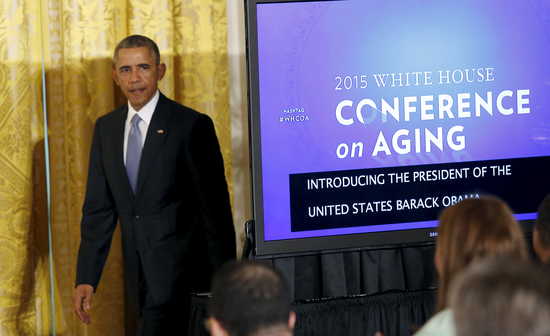
White House Report: Risk for LTC High; asks for Funding Ideas
White House Report: Risk of Long Term Health Care High. This is another example of why affordable Long Term Care Insurance should be part of your retirement plan.
This news story talks about the high risk we all face in needing some type of Long Term Health Care before we pass. Since we are now all living longer as the advanced in healthcare continue, we all face a much higher risk of needing help with activities of daily living and/or supervision due to memory issues.
Read the full article here: http://longtermcareplanningnews.com/article?article=155
You should start planning well before you retire. Learn more now and make your 2016 resolution to act: http://mccannltc.net/
Get free quotes from all the top companies and see how affordable Long Term Care Insurance can be: http://quoteonltc.com/
This news story talks about the high risk we all face in needing some type of Long Term Health Care before we pass. Since we are now all living longer as the advanced in healthcare continue, we all face a much higher risk of needing help with activities of daily living and/or supervision due to memory issues.
Read the full article here: http://longtermcareplanningnews.com/article?article=155
You should start planning well before you retire. Learn more now and make your 2016 resolution to act: http://mccannltc.net/
Get free quotes from all the top companies and see how affordable Long Term Care Insurance can be: http://quoteonltc.com/
Tuesday, December 8, 2015
Give the gift of Long Term Care Planning
Gifting Long Term Care Insurance to a family member has become popular over the past few years. Sometimes it is a parent providing a plan for their adult children so they can have affordable Long Term Care Insurance in place as part of their retirement plan. Premiums are even more affordable when younger and healthier. Sometimes adult children pay for their older parents … assuming they can health qualify for a plan.
No matter how big or how small your groups of friends and family happen to be, planning for Long Term Health Care during the holiday season makes sense. The holidays are about family and loved ones and no matter if you celebrate Christmas or Hanukkah, make affordable Long Term Care Insurance part of your retirement plan.
So if you are celebrating #Christmas or #Hanukkah with #family think about a gift which can have a positive impact on your loved ones for decades to come. Protect them with the #gift of #LTC insurance.
Plan now and make affordable Long Term Care Insurance part of your retirement plan this holiday season. Make your future retirement #Happy Days!
Discover how affordable Long Term Care Insurance can be and... why it should be part of your retirement plan. Learn more at: http://mccannltc.net/
Labels:
401k,
Alzheimer’s,
boomers,
caregiving,
Christmas,
dementia,
family,
gift,
Hanukkah,
health,
healthcare,
holiday,
HSA,
IRA,
Long Term Care,
LTC,
Matt McCann,
retirement,
stroke
Thursday, November 19, 2015
Remember Carly Simon's "You're So Vain"? Watch GMA in '80's?
Let's go back to 1974. Remember listening to the radio and hearing Carly Simon sing "You're So Vain? Now we know one of the verses was about Warren Beatty. Fast forward a little, did you watch David Hartman & Joan Lunden on "Good Morning America"?
If you do than you are probably in your 50's or 60's. If you have not made affordable Long Term Care Insurance part of your retirement plan than what are you waiting for?
Discover how affordable having a plan for the physical, emotional and financial burdens Long Term Health Care Can have on loved ones. Protect your assets and be sure you are never a burden on anyone.
Learn more now: http://mccannltc.net/
If you do than you are probably in your 50's or 60's. If you have not made affordable Long Term Care Insurance part of your retirement plan than what are you waiting for?
Discover how affordable having a plan for the physical, emotional and financial burdens Long Term Health Care Can have on loved ones. Protect your assets and be sure you are never a burden on anyone.
Learn more now: http://mccannltc.net/
Thursday, November 5, 2015
Marrying after 50? Get LTC Insurance & Consider Financial Issues
The Beatles sang, “All You Need Is Love” but if you are considering love & marriage after age 50 you need to consider more than just love. Affordable Long Term Care Insurance needs to be one of a number of issues to review before you say "I do".
Read the article and then learn how Long Term Care Insurance needs to be a gift you give to your spouse and your families.
Get FREE QUOTES: http://quoteonltc.com/
Tuesday, November 3, 2015
Do You Remember 1975?
Flashback to 1975. High School? College? Jr. High? Take a look at some of the music from 1975:
If you do remember 1975 then you should be planning for Long Term Health Care. Health insurance and Medicare will not pay for a majority of the costs associated with aging, illness and accidents. Since the advances in medical science allow us to live longer and survive these type of events more and more people will require help with activities of daily living ... or even supervision due to memory issues.
We all work hard and save money for retirement. We put money in our 401ks, IRA's, SEP's and we want to protect these assets.
Most of us never want to burden our loved ones and protect the lifestyle of our spouses. This is why affordable Long Term Care Insurance should be part of your retirement plan.
Discover how affordable it can be. Get free quotes at: http://quoteonltc.com/.
Visit my website and learn more: www.mccannltci.com
If you do remember 1975 then you should be planning for Long Term Health Care. Health insurance and Medicare will not pay for a majority of the costs associated with aging, illness and accidents. Since the advances in medical science allow us to live longer and survive these type of events more and more people will require help with activities of daily living ... or even supervision due to memory issues.
We all work hard and save money for retirement. We put money in our 401ks, IRA's, SEP's and we want to protect these assets.
Most of us never want to burden our loved ones and protect the lifestyle of our spouses. This is why affordable Long Term Care Insurance should be part of your retirement plan.
Discover how affordable it can be. Get free quotes at: http://quoteonltc.com/.
Visit my website and learn more: www.mccannltci.com
Dementia Care Now More Costly Than Other Illnesses
A new study shows the cost of caring for those with memory loss is more expensive than other health issues. This cost tends to be out-of-pocket and in the last 5 years of life. Affordable Long Term Care Insurance can help pay for this cost.
Health care costs are high but a new research study shows the cost of extended care related to dementia is more expensive and more burdensome than other health issues. Much of the caregiving costs for these people are not covered by traditional health insurance or, for those 65 and older, Medicare. This means the cost of care is out-of-pocket placing a financial burden on the American family.
Health care and caregiving costs for dementia patients tend to be in the final five years of life. The study shows these costs are higher compared to patients with cancer, heart disease and other illnesses, the study suggests.
The study findings were published online Oct. 26 in the Annals of Internal Medicine. The research found that total “social costs” — such as government spending, private insurance and out-of-pocket expenditures for dementia patients — were 57% greater than costs associated with death from other conditions.
Alzheimer’s disease is the most common form of dementia, a progressive condition marked by declines in memory, language, problem-solving and other skills that enable everyday activities, according to the Alzheimer’s Association. About 5 million Americans have Alzheimer’s. More than 15 million Americans provide unpaid care for these patients and others with dementia, the association said.
Read the full article here: http://longtermcareplanningnews.com/article?article=146
Get FREE quotes on affordable Long Term Care Insurance: http://quoteonltc.com/
Health care costs are high but a new research study shows the cost of extended care related to dementia is more expensive and more burdensome than other health issues. Much of the caregiving costs for these people are not covered by traditional health insurance or, for those 65 and older, Medicare. This means the cost of care is out-of-pocket placing a financial burden on the American family.
Health care and caregiving costs for dementia patients tend to be in the final five years of life. The study shows these costs are higher compared to patients with cancer, heart disease and other illnesses, the study suggests.
The study findings were published online Oct. 26 in the Annals of Internal Medicine. The research found that total “social costs” — such as government spending, private insurance and out-of-pocket expenditures for dementia patients — were 57% greater than costs associated with death from other conditions.
Alzheimer’s disease is the most common form of dementia, a progressive condition marked by declines in memory, language, problem-solving and other skills that enable everyday activities, according to the Alzheimer’s Association. About 5 million Americans have Alzheimer’s. More than 15 million Americans provide unpaid care for these patients and others with dementia, the association said.
Read the full article here: http://longtermcareplanningnews.com/article?article=146
Get FREE quotes on affordable Long Term Care Insurance: http://quoteonltc.com/
#dementia #longtermcare #LTC #health #Alzheimer's #retirement
Wednesday, October 28, 2015
LTC Partnership Coming Soon to IL, MI and NM?
I was honored to be on of the major speakers at the American Association for Long Term Care Insurance conference on October 27, 2015 at the Hyatt at Dulles ( just outside DC).
Also announced at the conference that the states of Michigan, Illinois and New Mexico are closer to adopting the federal/state partnership program as authorized by the federal Deficit Reduction Act (DRA). This provides dollar-for-dollar asset protection if you have a qualified partnership #LTC policy. Learn how affordable Long Term Care Insurance can be and make it part of your retirement plan. Go to: http://mccannltc.net/
#longtermcare #partnership #boomers #retirement #healthcare
Also announced at the conference that the states of Michigan, Illinois and New Mexico are closer to adopting the federal/state partnership program as authorized by the federal Deficit Reduction Act (DRA). This provides dollar-for-dollar asset protection if you have a qualified partnership #LTC policy. Learn how affordable Long Term Care Insurance can be and make it part of your retirement plan. Go to: http://mccannltc.net/
#longtermcare #partnership #boomers #retirement #healthcare
Sunday, October 4, 2015
Matt Damon says to 'do the math' in the movie "The Martian'", so do the math!
In the movie 'The Martian' Mark Watney
(Matt Damon) says to 'do the math' when dealing with a problem. In dealing with
the issue of LTC planning do as Matt Damon suggests and 'do the math'.
Affordable #LTC insurance can address the physical, emotional and financial
burdens Long Term Health Care can have on loved ones. Make Long Term Care
Insurance part of your retirement plan.
Some people think Long Term Care Insurance is too expensive. If you 'do the math' you will see it is VERY affordable, especially if you plan prior to retirement when you are younger and more healthy.
Most people I speak with are now in their 40's and 50's. No matter what your age generally we can find a very affordable plan to address the issue of Long Term Health Care.
Some people think it won't happen to them. Again, 'do the math'. The US Department of Health and Human Services says if you reach the age of 65 you will have a 70% chance on requiring some type of Long Term Health Care service before you pass.
Some people think they can 'self insure'. Again, do the math. You can never time when you will need help with activities of daily living, supervision due to memory issues or other skilled or custodial Long Term Health Care service. If the market is down you might have to 'sell' at a loss. Your 'loss' still maybe a gain ... and Uncle Sam will want part of your gain as well. In addition to using your own money to still are creating a burden of your loved ones. The math suggests affordable Long Term Care Insurance is a much more logical way to plan for this risk. Protect your 401k, IRA's and other assets while at the same time not being a burden on those you love.
So get help 'doing the math' .... Learn now about how Long Term Care Insurance may help you and your family.
Get quotes and learn more now: http://mccannltc.net/free-quote/
Do the math ... and bring home affordable Long Term Care Insurance and make it part of your retirement plan.
#Martian #LTC #boomers #retirement #MattDamon
Thursday, October 1, 2015
Lack of LTC Planning Cause of Career Crisis for Caregivers
As more people require Long Term Health Care more family members have become caregivers. A new survey suggests the impact on those loved ones is not limited to emotional and physical burdens. Affordable LTC Insurance can be helpful. Learn how you can make LTC insurance part of your retirement plan to protect your family and assets: http://mccannltc.net/
#LTC #longtermcare #retirement #caregivers #boomers
—
Genworth Financial, one of the nation’s leading providers of Long Term Care Insurance, released results of a survey today (October 1, 2015) citing that the caregivers providing care for adult parents are burdened more than you would expect.
Providing care for loved ones has taken a toll on the careers of half of caregivers surveyed in Genworth’s latest Beyond Dollars study, with 11 percent actually losing their jobs and another 10 percent having to change careers. That’s in addition to the other financial, physical and emotional impacts of caregiving examined in the survey.
Genworth released the survey findings today during its annual Long Term Care Symposium on Capitol Hill, which brought together many of the nation’s leading caregiver advocates and lawmakers to highlight the challenges of caregiving and explore ways to make that job easier on families.
Caregiving responsibilities may include helping with activities such as bathing, dressing and household chores.
Among caregivers surveyed in the study, 51 percent felt that caregiving responsibilities negatively impacted their ability to perform their jobs. That’s not surprising considering these findings:
•77% reported missing some work during the past year, up 19% from when caregivers were surveyed by Genworth in 2010
•Caregivers missed an average of 7 hours of work per week
•19% missed 10 or more hours of work per week
As a result of their caregiving responsibilities:
•11% lost their jobs
•10% had to change careers and
•12% had to change positions
Absences, reduced hours and chronic tardiness also translated into a significant reduction in caregivers’ paychecks. Approximately one-third of caregivers provided 30 hours or more of care a week. And, on average, caregivers reported having lost one-third of their income.
“Although caregiving brings many rewards, it can also have very real negative consequences for families who haven’t planned ahead for the possibility of their loved ones needing long term care,” said Suly Salazar-Layton, director of Thought Leadership at Genworth’s U.S. Life Insurance Division. “In fact, 50 percent of respondents said if they could do anything differently, it would be to do a better job of planning. Our hope is that this study will encourage families to sit down and have that talk well before caregiving becomes a crisis.”
The Denial Factor –
The study also highlights several factors contributing to respondents’ reluctance to plan early. Two of the biggest factors cited were “not wanting to admit care was needed” and “not wanting to talk about the issue” (cited by 30 percent and 25 percent, respectively). Overall, caregivers who planned earlier for long term care arrangements saved money. For instance, caregivers providing care to recipients who had long term care insurance were able to secure a reimbursement of 23 percent of their qualified out-of-pocket expenses.
“It’s not easy to admit when there is an issue, especially when it comes to matters of declining health, and it’s not always easy broaching the topic of long term care with the people you love,” said Salazar-Layton. “But meeting the challenge with action – speaking with your loved ones and meeting with a financial professional – does make things easier in the long run for caregivers and care recipients.”
Beyond Dollars found that almost half of care recipients (48 percent) had considered the possibility of a need for long term care, but only one-quarter of this group (26 percent) had actually made a plan to cover their potential needs. Even planners felt they could have been better prepared: 63 percent of this group believed they should have taken steps sooner, which would have led to reduced stress.
#LTC #longtermcare #retirement #caregivers #boomers
—
Genworth Financial, one of the nation’s leading providers of Long Term Care Insurance, released results of a survey today (October 1, 2015) citing that the caregivers providing care for adult parents are burdened more than you would expect.
Providing care for loved ones has taken a toll on the careers of half of caregivers surveyed in Genworth’s latest Beyond Dollars study, with 11 percent actually losing their jobs and another 10 percent having to change careers. That’s in addition to the other financial, physical and emotional impacts of caregiving examined in the survey.
Genworth released the survey findings today during its annual Long Term Care Symposium on Capitol Hill, which brought together many of the nation’s leading caregiver advocates and lawmakers to highlight the challenges of caregiving and explore ways to make that job easier on families.
Caregiving responsibilities may include helping with activities such as bathing, dressing and household chores.
Among caregivers surveyed in the study, 51 percent felt that caregiving responsibilities negatively impacted their ability to perform their jobs. That’s not surprising considering these findings:
•77% reported missing some work during the past year, up 19% from when caregivers were surveyed by Genworth in 2010
•Caregivers missed an average of 7 hours of work per week
•19% missed 10 or more hours of work per week
As a result of their caregiving responsibilities:
•11% lost their jobs
•10% had to change careers and
•12% had to change positions
Absences, reduced hours and chronic tardiness also translated into a significant reduction in caregivers’ paychecks. Approximately one-third of caregivers provided 30 hours or more of care a week. And, on average, caregivers reported having lost one-third of their income.
“Although caregiving brings many rewards, it can also have very real negative consequences for families who haven’t planned ahead for the possibility of their loved ones needing long term care,” said Suly Salazar-Layton, director of Thought Leadership at Genworth’s U.S. Life Insurance Division. “In fact, 50 percent of respondents said if they could do anything differently, it would be to do a better job of planning. Our hope is that this study will encourage families to sit down and have that talk well before caregiving becomes a crisis.”
The Denial Factor –
The study also highlights several factors contributing to respondents’ reluctance to plan early. Two of the biggest factors cited were “not wanting to admit care was needed” and “not wanting to talk about the issue” (cited by 30 percent and 25 percent, respectively). Overall, caregivers who planned earlier for long term care arrangements saved money. For instance, caregivers providing care to recipients who had long term care insurance were able to secure a reimbursement of 23 percent of their qualified out-of-pocket expenses.
“It’s not easy to admit when there is an issue, especially when it comes to matters of declining health, and it’s not always easy broaching the topic of long term care with the people you love,” said Salazar-Layton. “But meeting the challenge with action – speaking with your loved ones and meeting with a financial professional – does make things easier in the long run for caregivers and care recipients.”
Beyond Dollars found that almost half of care recipients (48 percent) had considered the possibility of a need for long term care, but only one-quarter of this group (26 percent) had actually made a plan to cover their potential needs. Even planners felt they could have been better prepared: 63 percent of this group believed they should have taken steps sooner, which would have led to reduced stress.
Read article: http://longtermcareplanningnews.com/article?article=141
Monday, September 28, 2015
DWTS Celeb Suffers Stroke at Age 37 – Recovery Expected
When a reality star suffered a TIA at age 37 it reminds all of us to pay attention to our health and retirement planning as it relates to the cost of extended Long Term Health Care. Stroke can happen at all ages. This article talks about a TV show star ... but it could be about us. Planning ahead of an health issue should be part of our retirement plan.
---
Top rated ABC-TV program “Dancing with the Stars” has made news for something other than dancing. Reality star Kim Zolciak was eliminated from the competition after the 37 year-old suffered a mini-stroke known medically as a transient ischemic attack (TIA). The website TMZ reported a blood clot caused by a previously unknown heart issue caused the star to lose feeling on one side a limited her ability to speak for a short time.
Zolciak, interviewed live on the show via Skype (September 28, 2015), said her doctors did not allow her to fly from her home in Atlanta to Los Angeles for the show. By rules of the show, she was eliminated from the program.
While many people think strokes and TIA’s happen to just older adults, it can and does happen at all ages. A day before he turned 27, "Malcolm in the Middle" star Frankie Muniz also suffered a TIA in December of 2012.
"Stroke has been noted to having an increased frequency in young adults without a clear cause," Dr. Richard B. Libman, vice chair of neurology at the Cushing Neuroscience Institute in Manhasset, N.Y., told CBSNews.com by email.
"Historically stroke has been thought to as a disease of the elderly with increased risk associated with those with preexistent atherosclerotic and heart disease."
A stroke, or "brain attack," happens when the blood supply to the brain is stopped or when a blood vessel in the brain bursts and fills the spaces around other brain cells with blood. Brain cells die when they are damaged by bleeding in or around the brain or when they do not receive oxygen.
What Zolciak and Muniz had -- a transient ischemic attack (TIA) or mini-stroke -- begins like a regular stroke, but then any noticeable symptoms or deficits disappear within an hour. Signs you are having a stroke can include headaches, paralysis or numbness of the face, arm or leg and trouble with walking, speaking, understanding people or seeing in one or both eyes, the Mayo Clinic reports.
The symptoms of a TIA and regular stroke are the same. Someone having a TIA or stroke might experience one or more of the following sudden symptoms:
• Numbness or weakness of the face, arm or leg, especially on one side of the body.
• Confusion, trouble speaking or understanding.
• Trouble seeing in one or both eyes.
• Trouble walking, dizziness, loss of balance or coordination.
If you or someone else has any of these symptoms, even for a short time, call 911 or go to the hospital immediately. Strokes can cause the need for extended Long Term Health Care, dementia and death.
The risk factors are the same as a regular stroke and include high blood pressure, high cholesterol, diabetes, smoking, obesity and a sedentary lifestyle. Read more about TIA risk factors at stroke.org/TIA.
Adults who survive a stroke at a younger age have an alarmingly shortened life expectancy rate compared to the general population. A new study suggests that people who experience a stroke before they reach the age of 50 are more likely to pass away 20 years sooner than non-stroke adults.
Research shows that 10 percent of all stroke patients are under the age of 50 - but little data is available to shed any light on their life-long prognoses. However, Dutch researchers have found that the long-term mortality rate of adults who survived a stroke between the ages of 18 and 50 is significantly reduced.
According to a study published in the Journal of the American Medical Association, 20 percent of under-50 stroke survivors passed away within a decade of their initial stroke. Researchers also found that men were more likely to die within 20 years of their initial stroke than young women.
Further, the study also says the risk of death after 20 years of a stroke increased by about 25 percent for TIA (aka mini-stroke) survivors, 27 percent for patients whose strokes were caused by a blood clot and about 14 percent for hemorrhagic stroke.
The risk of stroke and TIA’s impacts retirement planning as strokes are a leading reason for Long Term Health Care. Much of that care is not covered by health insurance or Medicare since much of it is considered ‘custodial’ in nature. Long Term Care Insurance will pay for these costs but a person must obtain coverage when they are in general good health. History of stroke could make a person uninsurable.
According to the American Association for Long Term Care Insurance (AALTCI – www.aaltci.org) nearly 1 in 5 people are declined for Long Term Care Insurance Coverage and the percentage is higher if a person is older. This is a major reason why many people today who purchase coverage are in their 40’s and 50’s as part of retirement planning.
"A significant share of the baby boomers are obese or disabled," explains Jesse Slome, executive director of the AALTCI which is a consumer education and advocacy group.
Meanwhile Zolciak will concentrate on her health and not on the TV show. Host Tom Bergeron explained that according to the ABC show’s rules, since she couldn’t dance because of medical reasons, she had to be eliminated. “The rules of the competition dictate that @Kimzolciak must withdraw, but her health is the most important thing. #DWTS,” the show tweeted.
Read article: http://longtermcareplanningnews.com/article?article=139
#DWTS #stroke #TIA #longtermcare #LTC #KimZolciak
---
Top rated ABC-TV program “Dancing with the Stars” has made news for something other than dancing. Reality star Kim Zolciak was eliminated from the competition after the 37 year-old suffered a mini-stroke known medically as a transient ischemic attack (TIA). The website TMZ reported a blood clot caused by a previously unknown heart issue caused the star to lose feeling on one side a limited her ability to speak for a short time.
Zolciak, interviewed live on the show via Skype (September 28, 2015), said her doctors did not allow her to fly from her home in Atlanta to Los Angeles for the show. By rules of the show, she was eliminated from the program.
While many people think strokes and TIA’s happen to just older adults, it can and does happen at all ages. A day before he turned 27, "Malcolm in the Middle" star Frankie Muniz also suffered a TIA in December of 2012.
"Stroke has been noted to having an increased frequency in young adults without a clear cause," Dr. Richard B. Libman, vice chair of neurology at the Cushing Neuroscience Institute in Manhasset, N.Y., told CBSNews.com by email.
"Historically stroke has been thought to as a disease of the elderly with increased risk associated with those with preexistent atherosclerotic and heart disease."
A stroke, or "brain attack," happens when the blood supply to the brain is stopped or when a blood vessel in the brain bursts and fills the spaces around other brain cells with blood. Brain cells die when they are damaged by bleeding in or around the brain or when they do not receive oxygen.
What Zolciak and Muniz had -- a transient ischemic attack (TIA) or mini-stroke -- begins like a regular stroke, but then any noticeable symptoms or deficits disappear within an hour. Signs you are having a stroke can include headaches, paralysis or numbness of the face, arm or leg and trouble with walking, speaking, understanding people or seeing in one or both eyes, the Mayo Clinic reports.
The symptoms of a TIA and regular stroke are the same. Someone having a TIA or stroke might experience one or more of the following sudden symptoms:
• Numbness or weakness of the face, arm or leg, especially on one side of the body.
• Confusion, trouble speaking or understanding.
• Trouble seeing in one or both eyes.
• Trouble walking, dizziness, loss of balance or coordination.
If you or someone else has any of these symptoms, even for a short time, call 911 or go to the hospital immediately. Strokes can cause the need for extended Long Term Health Care, dementia and death.
The risk factors are the same as a regular stroke and include high blood pressure, high cholesterol, diabetes, smoking, obesity and a sedentary lifestyle. Read more about TIA risk factors at stroke.org/TIA.
Adults who survive a stroke at a younger age have an alarmingly shortened life expectancy rate compared to the general population. A new study suggests that people who experience a stroke before they reach the age of 50 are more likely to pass away 20 years sooner than non-stroke adults.
Research shows that 10 percent of all stroke patients are under the age of 50 - but little data is available to shed any light on their life-long prognoses. However, Dutch researchers have found that the long-term mortality rate of adults who survived a stroke between the ages of 18 and 50 is significantly reduced.
According to a study published in the Journal of the American Medical Association, 20 percent of under-50 stroke survivors passed away within a decade of their initial stroke. Researchers also found that men were more likely to die within 20 years of their initial stroke than young women.
Further, the study also says the risk of death after 20 years of a stroke increased by about 25 percent for TIA (aka mini-stroke) survivors, 27 percent for patients whose strokes were caused by a blood clot and about 14 percent for hemorrhagic stroke.
The risk of stroke and TIA’s impacts retirement planning as strokes are a leading reason for Long Term Health Care. Much of that care is not covered by health insurance or Medicare since much of it is considered ‘custodial’ in nature. Long Term Care Insurance will pay for these costs but a person must obtain coverage when they are in general good health. History of stroke could make a person uninsurable.
According to the American Association for Long Term Care Insurance (AALTCI – www.aaltci.org) nearly 1 in 5 people are declined for Long Term Care Insurance Coverage and the percentage is higher if a person is older. This is a major reason why many people today who purchase coverage are in their 40’s and 50’s as part of retirement planning.
"A significant share of the baby boomers are obese or disabled," explains Jesse Slome, executive director of the AALTCI which is a consumer education and advocacy group.
Meanwhile Zolciak will concentrate on her health and not on the TV show. Host Tom Bergeron explained that according to the ABC show’s rules, since she couldn’t dance because of medical reasons, she had to be eliminated. “The rules of the competition dictate that @Kimzolciak must withdraw, but her health is the most important thing. #DWTS,” the show tweeted.
Read article: http://longtermcareplanningnews.com/article?article=139
#DWTS #stroke #TIA #longtermcare #LTC #KimZolciak
Labels:
boomers,
caregiving,
dementia,
DWTS,
health,
healthcare,
KimZokciak,
Long Term Care,
LTC,
Matt McCann,
retirement,
stroke,
TIA
Sunday, September 20, 2015
#Emmy for best #LTC plan?
Learn how affordable Long Term Care Insurance can make you a star for your family as you make sure that the physical, emotional and financial burdens that extended Long Term Health Care can bring to family.
https://twitter.com/mccannltc/status/645802018422939648
Wednesday, September 16, 2015
CNN GOP Debate. Questions on Aging and Long Term Care Issues?
A "huge" (as the #realdonaldtrump might say) issue America faces today and in the decades to come is the problem of Long Term Health Care and other aging and health related issues. While "ObamaCare' gets much attention, both good and not so good, one area that has to be addressed is the problem of Long Term Care.
See my tweet: https://twitter.com/mccannltc/status/644241720993931264
For many people, Long Term Care Insurance has become part of retirement planning. However, too many people don't think about the issue, think the government or their health insurance pays for this care (it doesn't) or think it won't happen to them (chances are it will).
While many people can and SHOULD pay for affordable Long Term Care Insurance and make it part of their retirement plan, some people will have to depend of Medicaid. The issue is ... if too many people, who have assets, end up not making Long Term Care Insurance part of their retirement plan, then they will be subject to asset spend down and stress and already stressed government public aid health program.
The bottom-line is ... we need to ask the questions to those running for office BUT it is up to US to make Long Term Care Insurance part of your retirement plan. It's good for you and your family, good for protecting your hard earned savings so you can use them for better things than care and it is good for your state and federal government so less people will stress an already stressed federal and state budget.
Learn more now how affordable Long Term Care Insurance can make a difference.

#CNNGOPDebate #Aging #Health #longtermcare #LTC
Tuesday, September 15, 2015
Ideas to Save on Long Term Care Insurance and Options
With over 17 years’ experience in Long
Term Health Care Planning, I am honored to help on average about 10 people
every week. They find an affordable way to address the physical, emotional and financial
burdens Long Term Health Care can have on loved ones. Most people want to protect
their 401ks, IRA’s and other assets so they can enjoy a future retirement with peace-of-mind.
There are a few things people forget
about when planning. I had a number of people in the past few weeks take advantage of
these options so I thought it would be a good idea to remind you of ways to
you affordably plan and even save money.
First, premiums can be tax deductible.
In some states there are state tax deductions and credits that may be
available. If you have self-employment income
(1099 income) or you own a business (LLC, S Corp, C Corp, etc.) you can
also deduct premiums for you and a spouse from business income. You can even
pay for key employees and not have to offer the opportunity to others. Also, if you have a HSA (Health Savings Account) you can pay premiums from that account. Be sure
to ask about the details!
Second, especially for clients under
age 55, some companies offer what they call a limited pay option. You can pay
ten, higher premiums and then NEVER pay another premium ever again! Yes, the premiums
are higher. The idea is to pay more while you have higher income so
once retired you have a fully paid Long Term Care policy and you never pay a premium
again. This is not for everyone, but for
some it is an ideal way to plan.
Third, some people are not aware of
the federal/state partnership programs available in most states. These policies
provide dollar for dollar asset protection if you have a traditional qualified
long term care policy. The Long-Term Care Partnership Program is a
collaboration between state government and insurance companies. Under this
partnership, applicants who purchase qualifying long-term care insurance
policies can access Medicaid coverage while retaining assets they would
normally be required to spend on their long-term care. This is referred to as
dollar for dollar asset protection or ‘asset disregard’. These plans have
requirements and be sure to ask me about them and if they make sense for you.
Fourth, most companies offer ‘shared care’ plans where spouses/partners can share benefits. In the event one person spends through all their benefits they can use the other person’s coverage. If one person were to pre-decease, the premium drops off but 100% of the unused benefit goes to the surviving spouse/partner. This one makes a lot of sense for most couples.
Finally, my general philosophy is to
develop a plan that makes a catastrophic situation manageable. Some people will
need higher benefits because of where you live or family history. Be sure to
discuss these options with me. Long Term Care Insurance is very affordable …
but must be designed correctly based on your age, health and location. As you
know, I represent all the major companies in the industry so I can assist you
in a few ways:
1. Educate you on what health insurance and later Medicare will cover when it
comes to extended Long Term Health Care.
2. Help you determine if coverage is
suitable for you based on your financial situation.
3. Determine if you health qualify for coverage and if so, with which
company/companies.
4. With your help, design a plan and shop for the best coverage at the best
value.
Unlike most insurance agents and financial
advisors, I understand how these plans work, how they are underwritten and how
they get actually used at the time of claim. Few people have this level of
experience. This is one of the reasons the American Association of Long Term
Care Insurance listed me among the nation’s top 10 Long Term Care Specialists.
Discover how affordable planning can
be!
#10pay #LTC #longtermcare #retirement #boomer
“Silver Tsunami” Hitting South Carolina and all of USA
South Carolina, like every state, is dealing with the greying of the population. Long Term Health Care is an issue. Most people are not prepared and have not planned despite the odds and the ability to use Partnership LTC policies to protect assets.
Most states have partnership programs available which provide dollar for dollar asset protection if you have a traditional qualified long term care policy. The Long-Term Care Partnership Program is a collaboration between state government and insurance companies. Under this partnership, applicants who purchase qualifying long-term care insurance policies can access Medicaid coverage while retaining assets they would normally be required to spend on their long-term care. This is referred to as dollar for dollar asset protection.
Read the article and then act ... discover how affordable Long Term Care Insurance can be a key to your retirement plan.
---
“South Carolina has seen and will continue to see unprecedented growth in the number of older adults in our population, with increased health, social and daily living needs. We are not nearly ready to meet them,” says University of South Carolina Professor Anna Scheyett in a guest column in “The State” newspaper.
The South Carolina Institute for Medicine and Public Health convened a task force on Long Term Care which Scheyett was part of. They examined these issues and made actionable recommendations. The task force was comprised of more than 60 health-care providers, advocates and researchers.
The report, published by the South Carolina lnstitute of Medicine & Public Health in June, 2015, said individuals of all ages can find themselves in need of Long Term Health Care due to limitations caused by physical, cognitive or chronic health conditions.
“Older adults, though, are more likely than most to need such services due to the limiting effects of aging. In fact, an estimated 70% of those over 65 will need Long Term Health Care in their lifetime. In 2014, an estimated 734,537 South Carolinians were age 65 and older, a number that is set to grow dramatically with the rise of the Baby Boom generation. By 2029, when the youngest Baby Boomers reach age 65, it is expected that our state’s population of older adults will exceed 1.1 million, resulting in 1 in 5 South Carolinians being over the age of 65,” the report stated.
Read full article here: http://longtermcareplanningnews.com/article?article=136
Most states have partnership programs available which provide dollar for dollar asset protection if you have a traditional qualified long term care policy. The Long-Term Care Partnership Program is a collaboration between state government and insurance companies. Under this partnership, applicants who purchase qualifying long-term care insurance policies can access Medicaid coverage while retaining assets they would normally be required to spend on their long-term care. This is referred to as dollar for dollar asset protection.
Read the article and then act ... discover how affordable Long Term Care Insurance can be a key to your retirement plan.
---
“South Carolina has seen and will continue to see unprecedented growth in the number of older adults in our population, with increased health, social and daily living needs. We are not nearly ready to meet them,” says University of South Carolina Professor Anna Scheyett in a guest column in “The State” newspaper.
The South Carolina Institute for Medicine and Public Health convened a task force on Long Term Care which Scheyett was part of. They examined these issues and made actionable recommendations. The task force was comprised of more than 60 health-care providers, advocates and researchers.
The report, published by the South Carolina lnstitute of Medicine & Public Health in June, 2015, said individuals of all ages can find themselves in need of Long Term Health Care due to limitations caused by physical, cognitive or chronic health conditions.
“Older adults, though, are more likely than most to need such services due to the limiting effects of aging. In fact, an estimated 70% of those over 65 will need Long Term Health Care in their lifetime. In 2014, an estimated 734,537 South Carolinians were age 65 and older, a number that is set to grow dramatically with the rise of the Baby Boom generation. By 2029, when the youngest Baby Boomers reach age 65, it is expected that our state’s population of older adults will exceed 1.1 million, resulting in 1 in 5 South Carolinians being over the age of 65,” the report stated.
Read full article here: http://longtermcareplanningnews.com/article?article=136
#SouthCarolina #Partnership #longtermcare #LTC #retirement
Emory University: Women Bear Heavier Economic Burden for Alzheimer’s Care
Long Term Care has long been thought of as a women’s issue. I see this all the time in my 17 years in this business. The facts are women tend to be caregivers, live longer and as a result have a bigger physical, emotional and financial burden placed on them. Even if a husband is around, men tend not to be good caregivers and many times by the time a woman needs care the man is no longer around. A Emory study confirms what we already know. This is another good reason for women ... and men, to plan and make affordable Long Term Care Insurance part of their retirement plan. Many companies offer "shared care" products which allow a couple to even share benefits.
Read the highlights of the article below and click on the link for the full article. Then discover how affordable Long Term Care Insurance can address these concerns. See the link below to get information and quotes from all the top companies.
---
The Emory Alzheimer's Disease Research Center published the results of a new research study which indicated what many people already suspected … Alzheimer’s is a women’s issue.
The study, published September 10, 2015 in the journal "Women's Health Issues", finds women bear six times the cost of Alzheimer's disease (AD) care, per capita, that men do. The authors say the greater cost burden is largely due to the informal care women deliver to family members with AD.
This is a real big issue for women since they are also in greater risk for developing Alzheimer’s. The Alzheimer’s Association says a 65-year-old American woman has a 1 in 6 chance of developing Alzheimer’s disease. That does NOT count other type of memory loss such as simple dementia that impacts people, nor does it count early onset Alzheimer’s which impacts younger people.
Women in their 60s are also twice as likely to develop Alzheimer’s than breast cancer, according to the report — “2014 Alzheimer’s Disease Facts and Figures” — from the Alzheimer’s Association.
The Emory study is suggesting that women, in general, are also the caregivers, at least on an informal basis which impacts them directly as a caregiver or economically as they deal with the costs of extended Long Term Care due to the memory loss of a loved one.
Read the rest of article here: http://longtermcareplanningnews.com/article?article=137
Read the highlights of the article below and click on the link for the full article. Then discover how affordable Long Term Care Insurance can address these concerns. See the link below to get information and quotes from all the top companies.
---
The Emory Alzheimer's Disease Research Center published the results of a new research study which indicated what many people already suspected … Alzheimer’s is a women’s issue.
The study, published September 10, 2015 in the journal "Women's Health Issues", finds women bear six times the cost of Alzheimer's disease (AD) care, per capita, that men do. The authors say the greater cost burden is largely due to the informal care women deliver to family members with AD.
This is a real big issue for women since they are also in greater risk for developing Alzheimer’s. The Alzheimer’s Association says a 65-year-old American woman has a 1 in 6 chance of developing Alzheimer’s disease. That does NOT count other type of memory loss such as simple dementia that impacts people, nor does it count early onset Alzheimer’s which impacts younger people.
Women in their 60s are also twice as likely to develop Alzheimer’s than breast cancer, according to the report — “2014 Alzheimer’s Disease Facts and Figures” — from the Alzheimer’s Association.
The Emory study is suggesting that women, in general, are also the caregivers, at least on an informal basis which impacts them directly as a caregiver or economically as they deal with the costs of extended Long Term Care due to the memory loss of a loved one.
Read the rest of article here: http://longtermcareplanningnews.com/article?article=137
#longtermcare #retirement #healthcare #women #alzheimers
Saturday, August 29, 2015
Long Term Care Insurance Policy Enhancements Favor Consumers
With more and more people investigating affordable Long Term Care Insurance and making it part of retirement planning, a leading consumer and trade advocate notes that new policy benefits favor consumers who buy LTCi. This is why it is so important to consult an expert in this area. There are only a few people like myself who represent all the top insurance companies, understand underwriting and know first hand how these plans get used at the time of claim. Read the article below and then contact me to learn more.
---
Significant policy enhancements just unveiled by leading Long Term Care Insurance companies will benefit consumers according to national planning experts.
"The newest long term care insurance policy changes will benefit both single individuals as well as married couples addressing many of the things consumers have been asking for," explains Jesse Slome, director of the American Association for Long-Term Care Insurance, a national trade group.
Some of the changes include discounts for married couples where only one person can health qualify for insurance protection.
"This is significant because the couples or partner discount reduces policy costs for a couple but often one spouse has health issues that prevents them from obtaining LTC coverage," Slome explains.
READ full article here: http://www.longtermcareplanningnews.com/article?article=132
Learn more now: http://mccannltc.net/
#LTC #AALTCI #retirement #longtermcare
---
Significant policy enhancements just unveiled by leading Long Term Care Insurance companies will benefit consumers according to national planning experts.
"The newest long term care insurance policy changes will benefit both single individuals as well as married couples addressing many of the things consumers have been asking for," explains Jesse Slome, director of the American Association for Long-Term Care Insurance, a national trade group.
Some of the changes include discounts for married couples where only one person can health qualify for insurance protection.
"This is significant because the couples or partner discount reduces policy costs for a couple but often one spouse has health issues that prevents them from obtaining LTC coverage," Slome explains.
READ full article here: http://www.longtermcareplanningnews.com/article?article=132
Learn more now: http://mccannltc.net/
#LTC #AALTCI #retirement #longtermcare
Monday, August 24, 2015
Report: Dementia Cases to Triple by 2050
Those afflicted with memory loss is expected to triple in 35 years. Now a leading reason people require Long Term Health Care, the 100 types of dementias and the impact memory loss has on loved ones will become an even bigger issue that demands planning prior to retirement.
A report just released (August, 2015) suggests worldwide dementia cases will triple by 2050. Currently 47 million people suffer from dementia. In just 35 years that number is expected to increase to 132 million.
Dementia is an umbrella term for degenerative diseases of the brain characterized by a gradual decline in the ability to think and remember. Accounting for well over half of cases, Alzheimer's is the most common form of dementia.
Today there are 900 million people 60 or older. Over the next 35 years, that age group will grow by 65 percent in rich countries, 185 percent in lower-middle income nations, and 239 percent in poor countries.
As the world gets older, the number of people with dementia is set to increase exponentially, notes the World Alzheimer Report 2015, produced by Alzheimer's Disease International.
These numbers present challenges to government, families and medical professionals on how best to deal with more people who will require supervision.
Another report published in “Population and Development Review" suggests caregiving due to all types of Long Term Health Care is already at crisis mode requiring 1.2 billion hours of unpaid caregiving provided by families.
Emilio Zagheni, an assistant professor of sociology at the University of Washington and co-author of the report says that America is entering the ‘Golden Age of Caregiving’. The issue is not going away as the World Alzheimer Report just deals with one aspect of Long Term Health Care, supervision due to memory loss.
Today there are 900 million people 60 or older. Over the next 35 years, that age group will grow by 65 percent in rich countries, 185 percent in lower-middle income nations, and 239 percent in poor countries.
In 2015 alone, there will be about 10 million new cases, one every few seconds and nearly 30 percent more than in 2010. The risk increases dramatically as we age although early onset dementias are becoming more common.
Care for memory loss is now the leading cause for private Long Term Care insurance claims, according to a consumer organization that monitors the product. In fact, more than one in four claims according to this 2012 report are related to this mind-robbing condition, noted Jesse Slome, executive director of the American Association for Long Term Care Insurance (AALTCI).
"Considering the millions of Americans who will be living into their 80s, 90s and beyond without a financial plan in place to deal with the costs of Long Term Care it would be prudent for a massive educational effort," said Slome.
Planning experts suggest that Long Term Care Insurance should be part of an over-all retirement plan. The U.S. is the biggest market for private Long Term Care Insurance but sales are gaining in Canada, Germany, United Kingdom and France.
See the full article: http://www.longtermcareplanningnews.com/article?article=130
Learn how affordable Long Term Care Insurance can be: http://mccannltc.net/
#LTC #dementia #boomers #retirement #longtermcare
A report just released (August, 2015) suggests worldwide dementia cases will triple by 2050. Currently 47 million people suffer from dementia. In just 35 years that number is expected to increase to 132 million.
Dementia is an umbrella term for degenerative diseases of the brain characterized by a gradual decline in the ability to think and remember. Accounting for well over half of cases, Alzheimer's is the most common form of dementia.
Today there are 900 million people 60 or older. Over the next 35 years, that age group will grow by 65 percent in rich countries, 185 percent in lower-middle income nations, and 239 percent in poor countries.
As the world gets older, the number of people with dementia is set to increase exponentially, notes the World Alzheimer Report 2015, produced by Alzheimer's Disease International.
These numbers present challenges to government, families and medical professionals on how best to deal with more people who will require supervision.
Another report published in “Population and Development Review" suggests caregiving due to all types of Long Term Health Care is already at crisis mode requiring 1.2 billion hours of unpaid caregiving provided by families.
Emilio Zagheni, an assistant professor of sociology at the University of Washington and co-author of the report says that America is entering the ‘Golden Age of Caregiving’. The issue is not going away as the World Alzheimer Report just deals with one aspect of Long Term Health Care, supervision due to memory loss.
Today there are 900 million people 60 or older. Over the next 35 years, that age group will grow by 65 percent in rich countries, 185 percent in lower-middle income nations, and 239 percent in poor countries.
In 2015 alone, there will be about 10 million new cases, one every few seconds and nearly 30 percent more than in 2010. The risk increases dramatically as we age although early onset dementias are becoming more common.
Care for memory loss is now the leading cause for private Long Term Care insurance claims, according to a consumer organization that monitors the product. In fact, more than one in four claims according to this 2012 report are related to this mind-robbing condition, noted Jesse Slome, executive director of the American Association for Long Term Care Insurance (AALTCI).
"Considering the millions of Americans who will be living into their 80s, 90s and beyond without a financial plan in place to deal with the costs of Long Term Care it would be prudent for a massive educational effort," said Slome.
Planning experts suggest that Long Term Care Insurance should be part of an over-all retirement plan. The U.S. is the biggest market for private Long Term Care Insurance but sales are gaining in Canada, Germany, United Kingdom and France.
See the full article: http://www.longtermcareplanningnews.com/article?article=130
Learn how affordable Long Term Care Insurance can be: http://mccannltc.net/
#LTC #dementia #boomers #retirement #longtermcare
America Entering the ‘Golden Age of Caregiving’
The U.S. has entered the ‘Golden Age of Caregiving’ with more family members becoming caregivers while taking care of their own families and living their own lives. A new study shows caregivers work 1.2 billion unpaid hours creating huge burdens. This is why having affordable Long Term Care Insurance as part of your retirement plan is a smart way to address the physical, emotional and financial burdens #longtermcare places on loved ones.
--
America is in a “golden age” of caregiving according to a University of Washington Professor. Emilio Zagheni, an assistant professor of sociology, says in newly published research published in “Population and Development Review" that one third of Americans are informal caregivers who put in 1.2 billion hours of work per week.
Not only is this extra work placing emotional and physical burdens on the caregivers, it is also placing a financial strain since nobody is being paid for this work. A recent AARP study reports 60% of these family caregivers are working at their primary job full-time. The study also stated a majority of these caregivers said they felt overwhelmed with the caregiving and 39% felt financially stained as well. Many family caregivers must turn down overtime or job promotions due to the caregiving and their normal family responsibilities.
The time people spend caring for older adults is like having 30 million people snatched right out of the workforce. The effect on the economy is intense. Zagheni estimates that in 2012, unpaid care accounted for about 5 percent of America’s Gross Domestic Product, approximately $691 billion.
There are two groups of informal caregivers. One group are the older spouses, who many times suffer their own health issues while attempting to be caregivers. The second group are members of the so-called ‘sandwich generation’, the adult children who have their own children and careers that become impacted by the needs of their parent's Long Term Health Care.
More people than ever before require help with activities-of-daily living or need supervision due to memory loss. The U.S. Department of Health and Human Services says if one reaches the age of 65 they will have a 70% chance of needing some type of extended Long Term Health Care before they pass.
While more and more people purchase Long Term Care Insurance as part of their retirement planning, many people don’t think about it until their health changes. At that point their insurance options are limited at best. The problem continues to grow as the population gets older and advances in medical science allow us to all live longer and longer.
“Another 1.3 million caregivers could be needed by 2050,” estimates Zagheni.
Changes in public policy, employer flexibility and more people taking advantage of Long Term Care Insurance will help families deal with the problem of aging.
U.S. Surgeon General Vice Admiral Vivek H. Murthy, M.D., M.B.A. made aging an issue at the recent White House Conference on Aging.
“All of us our aging no matter what age we are at, to be clear,” said Murthy.
The Surgeon General said talking to parents about these concerns is critical. He has done so himself.
“The conversations we have had is how they can stay healthy and independent as they get older recognizing they want to be part of their children’s lives but they don’t want to be dependent on their kids for everything,” he said.
See article: http://longtermcareplanningnews.com/article?article=129
Learn more now: http://mccannltc.net/
#LTC #boomers #caregiving #retirement
--
America is in a “golden age” of caregiving according to a University of Washington Professor. Emilio Zagheni, an assistant professor of sociology, says in newly published research published in “Population and Development Review" that one third of Americans are informal caregivers who put in 1.2 billion hours of work per week.
Not only is this extra work placing emotional and physical burdens on the caregivers, it is also placing a financial strain since nobody is being paid for this work. A recent AARP study reports 60% of these family caregivers are working at their primary job full-time. The study also stated a majority of these caregivers said they felt overwhelmed with the caregiving and 39% felt financially stained as well. Many family caregivers must turn down overtime or job promotions due to the caregiving and their normal family responsibilities.
The time people spend caring for older adults is like having 30 million people snatched right out of the workforce. The effect on the economy is intense. Zagheni estimates that in 2012, unpaid care accounted for about 5 percent of America’s Gross Domestic Product, approximately $691 billion.
There are two groups of informal caregivers. One group are the older spouses, who many times suffer their own health issues while attempting to be caregivers. The second group are members of the so-called ‘sandwich generation’, the adult children who have their own children and careers that become impacted by the needs of their parent's Long Term Health Care.
More people than ever before require help with activities-of-daily living or need supervision due to memory loss. The U.S. Department of Health and Human Services says if one reaches the age of 65 they will have a 70% chance of needing some type of extended Long Term Health Care before they pass.
While more and more people purchase Long Term Care Insurance as part of their retirement planning, many people don’t think about it until their health changes. At that point their insurance options are limited at best. The problem continues to grow as the population gets older and advances in medical science allow us to all live longer and longer.
“Another 1.3 million caregivers could be needed by 2050,” estimates Zagheni.
Changes in public policy, employer flexibility and more people taking advantage of Long Term Care Insurance will help families deal with the problem of aging.
U.S. Surgeon General Vice Admiral Vivek H. Murthy, M.D., M.B.A. made aging an issue at the recent White House Conference on Aging.
“All of us our aging no matter what age we are at, to be clear,” said Murthy.
The Surgeon General said talking to parents about these concerns is critical. He has done so himself.
“The conversations we have had is how they can stay healthy and independent as they get older recognizing they want to be part of their children’s lives but they don’t want to be dependent on their kids for everything,” he said.
See article: http://longtermcareplanningnews.com/article?article=129
Learn more now: http://mccannltc.net/
#LTC #boomers #caregiving #retirement
Subscribe to:
Posts (Atom)